
Buying a home, plot, or commercial property is a major financial decision. While the location, price, amenities, and payment plan are important, document verification is one of the most critical steps before booking a property.
The Real Estate (Regulation and Development) Act, 2016 (RERA) has made several important project details available to property buyers. A buyer should not rely only on a builder’s brochure, sales presentation, or verbal commitments. Instead, important project and legal documents should be checked before making a substantial payment.
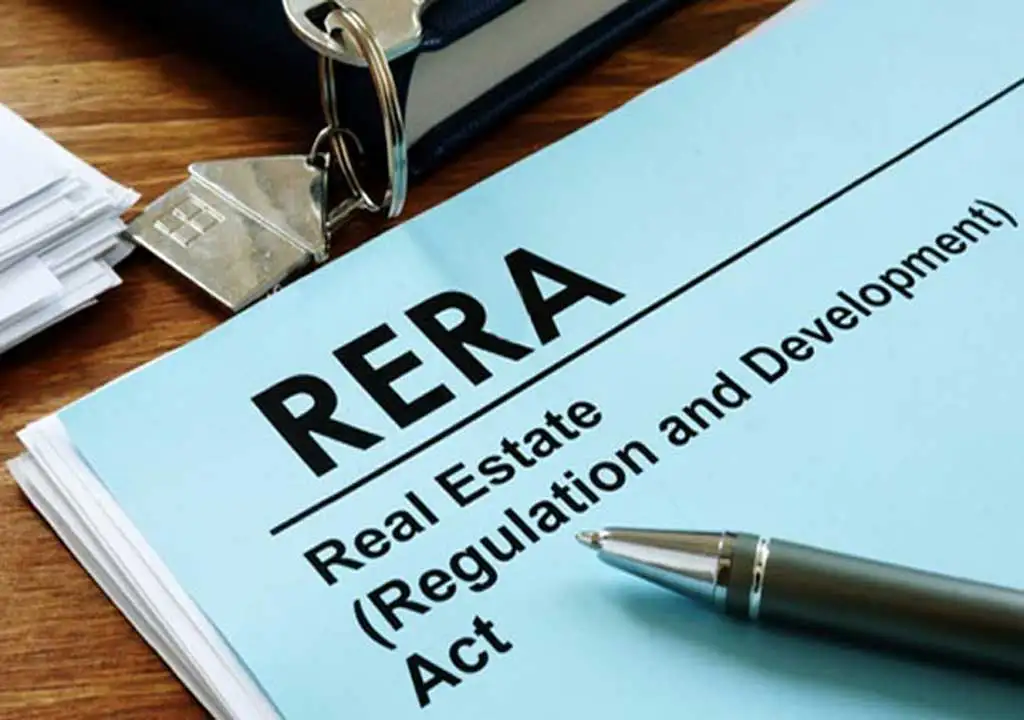
Here are the key RERA documents every property buyer should check before buying a property.
1. RERA Registration Certificate
The first document to check is the project’s RERA registration.
Verify:
- RERA registration number
- Project name
- Promoter/developer name
- Registered project address
- Number of buildings/towers
- Number of units
- Approved project details
- Registered completion date
- Project validity and extensions, if applicable
A project that is required to be registered under RERA should be registered before advertising or selling the project.
Tip: Always verify the RERA number on the official state RERA portal rather than relying only on the number printed in a brochure.
2. Land Title Documents
Before buying a property, buyers should understand who legally owns the land on which the project is being developed.
Check documents such as:
- Title deed
- Sale deed/conveyance deed
- Previous title documents
- Revenue records
- Development agreement, where applicable
- Joint development agreement, where applicable
- Landowner details
RERA project documentation can include authenticated title documents and other land-related records.
If the project involves multiple landowners, development rights and agreements between the landowner and developer should also be carefully examined.
3. Encumbrance and Legal Search Documents
An Encumbrance Certificate (EC) or relevant legal search report can help identify registered claims, charges, mortgages, or other encumbrances affecting the property.
Buyers should check:
- Whether the land is mortgaged
- Whether there are registered claims
- Whether any legal dispute is disclosed
- Whether the developer has clear development rights
For high-value property purchases, it is advisable to have the title and legal documents reviewed by an independent property lawyer.
4. Approved Layout Plan
The approved layout plan shows how the project is planned on the land.
Check:
- Road access
- Building locations
- Open spaces
- Common areas
- Parking areas
- Amenities
- Garden/recreational areas
- Entry and exit points
- Future development areas
Compare the approved layout with what is being marketed by the developer.
5. Sanctioned Building Plan
The sanctioned building plan is another important document.
Buyers should verify whether the proposed construction matches the approved plans.
Check:
- Number of floors
- Building configuration
- Flat/unit layout
- Common areas
- Parking
- Fire-safety provisions
- Approved construction details
RERA project-registration documentation includes sanctioned plans and other approvals required under applicable laws.
6. Commencement Certificate and Other Approvals
Depending on the project and local regulations, buyers should check the applicable permissions and approvals required before construction.
These may include:
- Commencement permission/certificate
- Building plan approval
- Fire NOC
- Environmental approvals, where applicable
- Water and drainage permissions
- Airport-related clearance, where applicable
- Other local authority approvals
The exact approvals can vary depending on the project’s location, size and nature.
7. RERA Project Details and Updates
Don’t stop at checking the RERA registration number.
Review the project’s information available on the relevant RERA portal, including:
- Promoter information
- Project details
- Construction progress
- Proposed completion date
- Extensions
- Uploaded approvals
- Quarterly updates
- Litigation or other disclosures, where available
This can give buyers a better understanding of the project’s actual status.
8. Agreement for Sale
The Agreement for Sale is one of the most important documents in a property transaction.
Before signing, carefully check:
- Unit number
- Carpet area
- Total consideration
- Payment schedule
- Possession date
- Cancellation terms
- Interest/penalty clauses
- Maintenance charges
- Parking details
- Amenities
- Default provisions
- Rights and obligations of buyer and promoter
Under RERA, a promoter generally cannot accept more than 10% of the cost of the apartment, plot or building as an advance/application fee without first entering into a written Agreement for Sale and registering it as required by law.
Never sign an agreement without reading all schedules, annexures and specifications.
9. Allotment Letter
The Allotment Letter should be checked against the booking form and Agreement for Sale.
Verify:
- Buyer name
- Project name
- Unit number
- Floor
- Carpet area
- Consideration
- Payment plan
- Booking amount
- Other applicable charges
The allotment letter is among the documents included in RERA project documentation.
10. Carpet Area and Unit Specifications
RERA emphasizes the use of carpet area for the sale of apartments.
Before booking, compare the carpet area mentioned in:
RERA records → Booking form → Allotment letter → Agreement for Sale
Also verify:
- Number of bedrooms
- Balcony/terrace details
- Floor
- Facing
- Parking
- Internal specifications
- Included/excluded areas
Avoid making a purchase decision based only on a super built-up area figure.
11. Completion Certificate
For a completed project, check the Completion Certificate (CC) where applicable.
It indicates that the construction has been completed in accordance with the approved plans and applicable requirements, subject to the relevant local authority’s rules.
12. Occupancy Certificate
For a ready-to-move-in property, the Occupancy Certificate (OC) is particularly important.
The competent authority issues the relevant Completion Certificate or Occupancy Certificate under applicable law.
Before taking possession, buyers should verify:
- Whether the OC has been issued
- Whether it covers the relevant building/unit
- Whether the project details match the approved development
- Whether possession is being offered in accordance with applicable approvals
13. Conveyance and Property Handover Documents
At the appropriate stage of the transaction, buyers should also understand the documents relating to transfer of ownership and handover.
Depending on the property and project structure, these can include:
- Conveyance deed
- Sale deed
- Possession letter
- Society/association documents
- Maintenance handover documents
- Utility-related documents
The exact documentation varies depending on whether you are purchasing a flat, plot, villa, bungalow or commercial property.
RERA Property Document Checklist
Before making a major payment, a buyer should ideally verify:
| Document | What to Check |
|---|---|
| RERA Registration | Registration number and project details |
| Title Documents | Ownership and development rights |
| Encumbrance/Legal Search | Charges, claims and disputes |
| Approved Layout | Project layout and common areas |
| Sanctioned Building Plan | Building/floor configuration |
| Approvals & NOCs | Required statutory permissions |
| RERA Updates | Construction and project status |
| Allotment Letter | Unit and commercial terms |
| Agreement for Sale | Rights, obligations and payment terms |
| Carpet Area | Actual saleable unit area |
| Completion Certificate | Completion status |
| Occupancy Certificate | Permission for occupation |
| Sale/Conveyance Documents | Transfer of ownership |
Common Mistakes Property Buyers Should Avoid
❌ Relying only on the builder’s brochure
A brochure is a marketing document. Always cross-check important information with official records and contractual documents.
❌ Paying a large booking amount without documentation
Understand the legal and contractual terms before making significant payments.
❌ Ignoring the Agreement for Sale
Never treat the agreement as just a formality. It contains important rights and obligations.
❌ Checking RERA only once
Project information can change. Check the latest available project status before making the final decision.
❌ Ignoring title verification
RERA registration does not replace the need for proper title and legal due diligence.
❌ Comparing only the property price
Consider registration charges, taxes, maintenance, parking, amenities and other applicable costs before calculating the total acquisition cost.
Final Checklist Before Buying
Before booking a property, ask yourself:
✓ Is the project RERA registered?
✓ Have I verified the RERA details independently?
✓ Is the developer’s title/development right properly documented?
✓ Have I checked the approved plans and applicable approvals?
✓ Does the unit match the RERA and approved documents?
✓ Have I read the Agreement for Sale carefully?
✓ Is the possession date clearly mentioned?
✓ For a completed project, have I checked the applicable completion/occupancy certificate?
✓ Has an independent legal professional reviewed important title documents where necessary?
Looking for a Documents-Verified Property in Ahmedabad?
Nine One Realty helps property buyers explore residential, commercial, villa, bungalow and other real estate opportunities across Ahmedabad and the Ahmedabad–Gandhinagar growth corridor.
Our approach focuses on helping buyers make informed property decisions by checking important project information and documentation before proceeding.
Website: www.nineonerealty.com
Contact: +91 99740 00200
Disclaimer
This article is intended for general information only and should not be considered legal advice. Property documentation and approval requirements can vary depending on the project, property type and applicable local regulations. Buyers should obtain independent legal and professional advice before completing a property transaction.